Families often have questions before touring assisted living and memory care. This page answers common concerns about timing and fit.
Schedule a Visit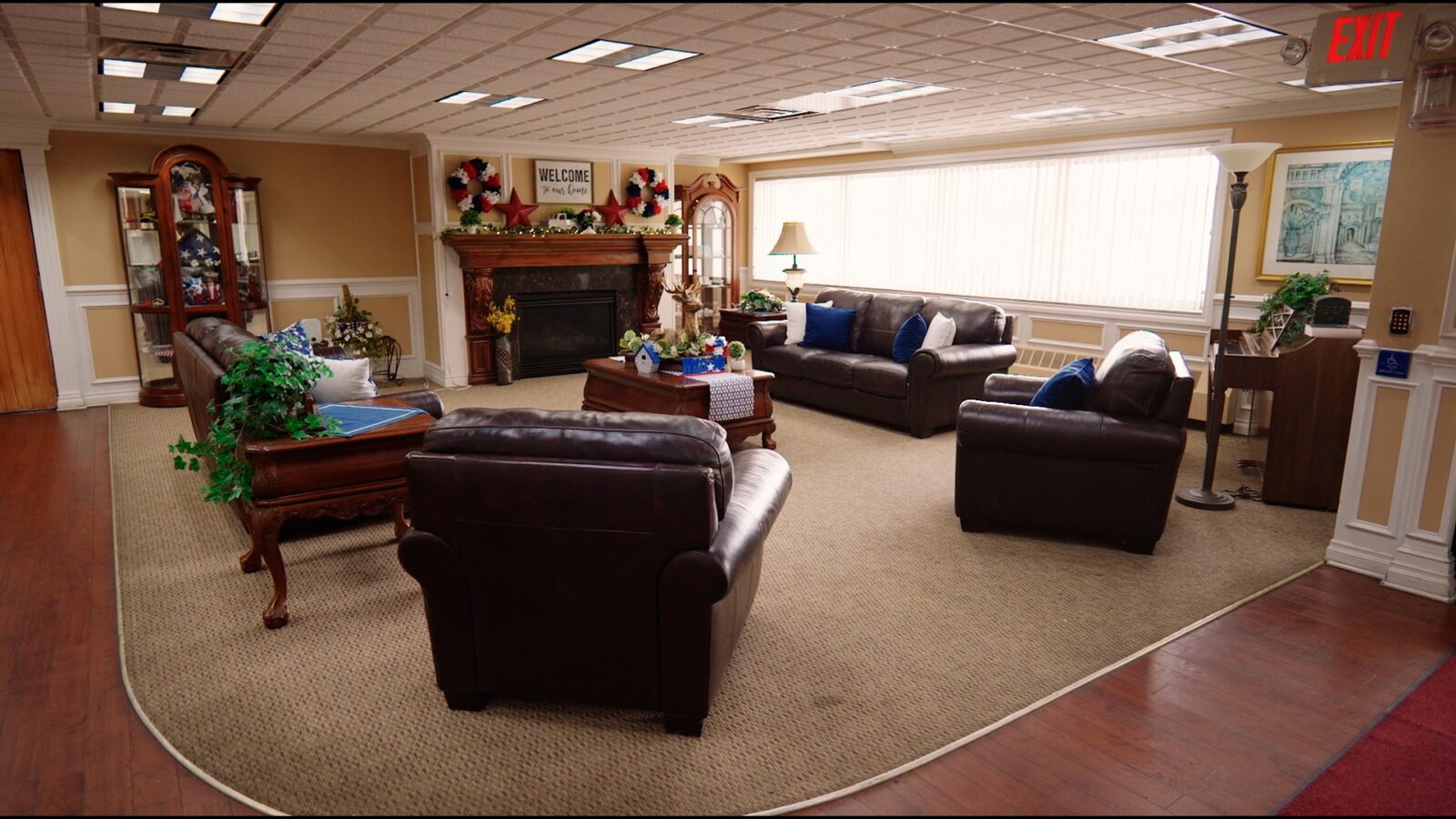
Deciding to explore assisted living or memory care often brings mixed emotions — love, concern, uncertainty, and even guilt. That’s completely normal. The questions below reflect what many families ask as they try to do what’s best for someone they care deeply about. Take your time, read at your own pace, and know there’s no pressure — only support.
Below are clear, honest answers to common questions families ask when they’re considering assisted living or memory care. If you’re feeling uncertain, that’s okay—take your time and start where you’re ready.
It’s often time to consider assisted living when daily life becomes harder or less safe to manage alone—especially with bathing, meals, medication, mobility, or consistent supervision.
A helpful way to think about it is this: if support is needed most days of the week, it may be time to explore options before a crisis forces a rushed decision.
Memory care is often the better fit when cognitive changes create safety risks or ongoing confusion that requires specialized routines, staffing, and a more structured environment.
If you’re unsure, a tour and conversation with the care team can help clarify what level of support would be safest.
Touring early gives you time to think clearly. Many families wait until a hospitalization, a fall, or caregiver burnout makes everything feel urgent—then decisions become more stressful.
If you’re noticing “near-misses,” increased anxiety at home, or a steady decline, touring now can help you plan with more peace and control.
Assisted living is designed for people who benefit from daily support, but don’t require 24/7 skilled nursing in a medical setting.
It may not be a fit if someone needs intensive medical monitoring, frequent complex nursing care, or a level of supervision beyond what assisted living is built to provide.
If you’re unsure, we can help you understand what level of care is appropriate and point you in the right direction.
Assisted living commonly includes help with daily activities (like bathing, dressing, medication reminders, meals, and mobility), along with a safe environment and supportive staff.
Exact services vary by resident needs, and a tour or assessment helps clarify what support is appropriate.
Memory care is built for residents living with Alzheimer’s or other forms of dementia. It typically includes added safety features, more structure, and specialized support for cognitive changes.
The goal is not only safety, but comfort—helping residents feel secure, oriented, and supported through consistent routines.
Before touring, it helps to think about what “a good day” looks like for your loved one and what support is needed to make that day possible.
It’s common to feel relief and grief at the same time. Many families feel guilty at first, even when they’re making a loving, responsible choice.
Over time, what most families notice is this: they get to return to being a spouse, son, daughter, or friend—while their loved one receives consistent daily support.
Resistance is normal. Change is hard—especially when it feels like a loss of independence. It often helps to focus on what they gain: safety, support, less stress, and more connection.
We also recommend keeping conversations calm and short, offering choices where possible, and planning a tour as a “visit” rather than a commitment.
After the tour, families usually take time to reflect, compare options, and talk through what feels like the best fit. If you’d like, we can help clarify care needs and next steps without pressure.
The goal is a decision you feel at peace with—not a rushed commitment.
If you have a question that isn’t covered here, we’re happy to help—reach out anytime or schedule a visit when you’re ready.
These questions are just one part of a much bigger decision.
Take the time you need to reflect, talk things through, and consider what feels right.
When the time comes, support is available.

“Memory Lane at CedarWoods” is a warm, 28-resident community offering personalized care and enriching activities for those with dementia, Alzheimer’s, and neurological conditions.

